
I’ve been repairing and replacing door frames for over ten years as a residential carpenter and emergency repair contractor, and I can tell you this: most people don’t think about their door frame until it fails at the worst possible moment, emergency door frame repair is rarely planned. It usually follows a break-in, a kicked-in latch, water damage that finally gives way, or years of neglect that catch up overnight.
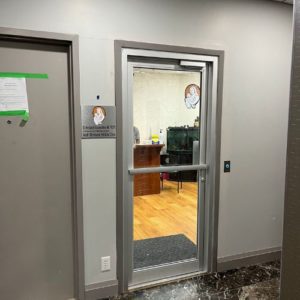 The first emergency call I ever handled on my own was for a homeowner whose front door had been forced open during an attempted burglary. The deadbolt had held, but the jamb split clean down the strike plate. When I arrived, the door technically still closed, but you could push it open with a firm shoulder. What stood out to me wasn’t just the damage—it was how thin and poorly anchored the original frame was. The builder had used short screws into the trim instead of driving long structural screws into the studs. That’s something I see constantly. In my experience, most door frame failures are less about force and more about poor installation.
Emergency repairs are different from routine door frame repair. In an emergency, my first priority is restoring security. That often means removing splintered sections, reinforcing the jamb with a solid wood insert, and using three-inch screws to tie the strike plate and hinges directly into the framing behind the drywall. I don’t just patch visible damage. If the surrounding wood fibers are crushed, I cut back to solid material. Quick cosmetic fixes might look fine for a week, but they fail under stress.
One situation last spring involved a rental property where the tenant had locked themselves out and tried to force the door. The latch side jamb cracked, and instead of calling immediately, they kept using the door for weeks. By the time I saw it, the misalignment had shifted the hinges, and the door was rubbing at the top corner. The repair wasn’t just about the cracked frame anymore; the door needed re-hanging and the frame required shimming and squaring. I’ve found that delays often turn a small repair into a more involved structural adjustment.
Water damage is another quiet culprit. I once worked on a back door where years of minor leaks from a poorly sealed threshold had rotted the lower section of the jamb. The homeowner thought it was just cosmetic discoloration. When I pressed a screwdriver into the wood, it sank in with almost no resistance. In that case, emergency repair wasn’t caused by a break-in but by gravity—the bottom hinge finally loosened because the wood holding it had deteriorated. I had to cut out the rotted portion, splice in pressure-treated lumber, and reseal the threshold correctly. I always advise homeowners not to ignore soft spots or peeling paint near the base of exterior frames. That’s often the first warning sign.
There’s a common mistake I see people make with DIY door frame repair: relying on wood filler or metal strike plates alone to fix structural splits. Filler has its place for minor surface cracks, but it won’t restore integrity to a frame that’s been forced. Likewise, oversized strike plates can spread force, but they still need solid wood underneath. If the core is compromised, reinforcement or partial replacement is the responsible solution.
As a contractor, I also pay close attention to door alignment during repairs. If a door doesn’t latch smoothly before damage occurs, that misalignment puts constant stress on the frame. I’ve adjusted many frames where the homeowner thought the issue was “just the lock,” but the real problem was a slightly twisted jamb caused by settling. Ignoring that pressure can eventually cause cracks around the strike area.
In emergency situations, I’m honest with clients about whether a repair will truly hold. Sometimes replacing the entire frame is smarter than patching multiple weak points. I’ve recommended full replacement more than once when the structure behind the jamb was compromised or when repeated repairs had already weakened the assembly. Security and durability matter more than saving a small amount upfront.
After a decade of doing this work, my strongest advice is simple: treat door frames as structural components, not decorative trim. If your door feels loose, doesn’t latch cleanly, or shows cracking around the lock area, address it early. Emergency door frame repair is stressful and usually more expensive than proactive maintenance. A properly installed and reinforced frame, on the other hand, can withstand years of daily use—and even the occasional attempt to force it—without giving way.